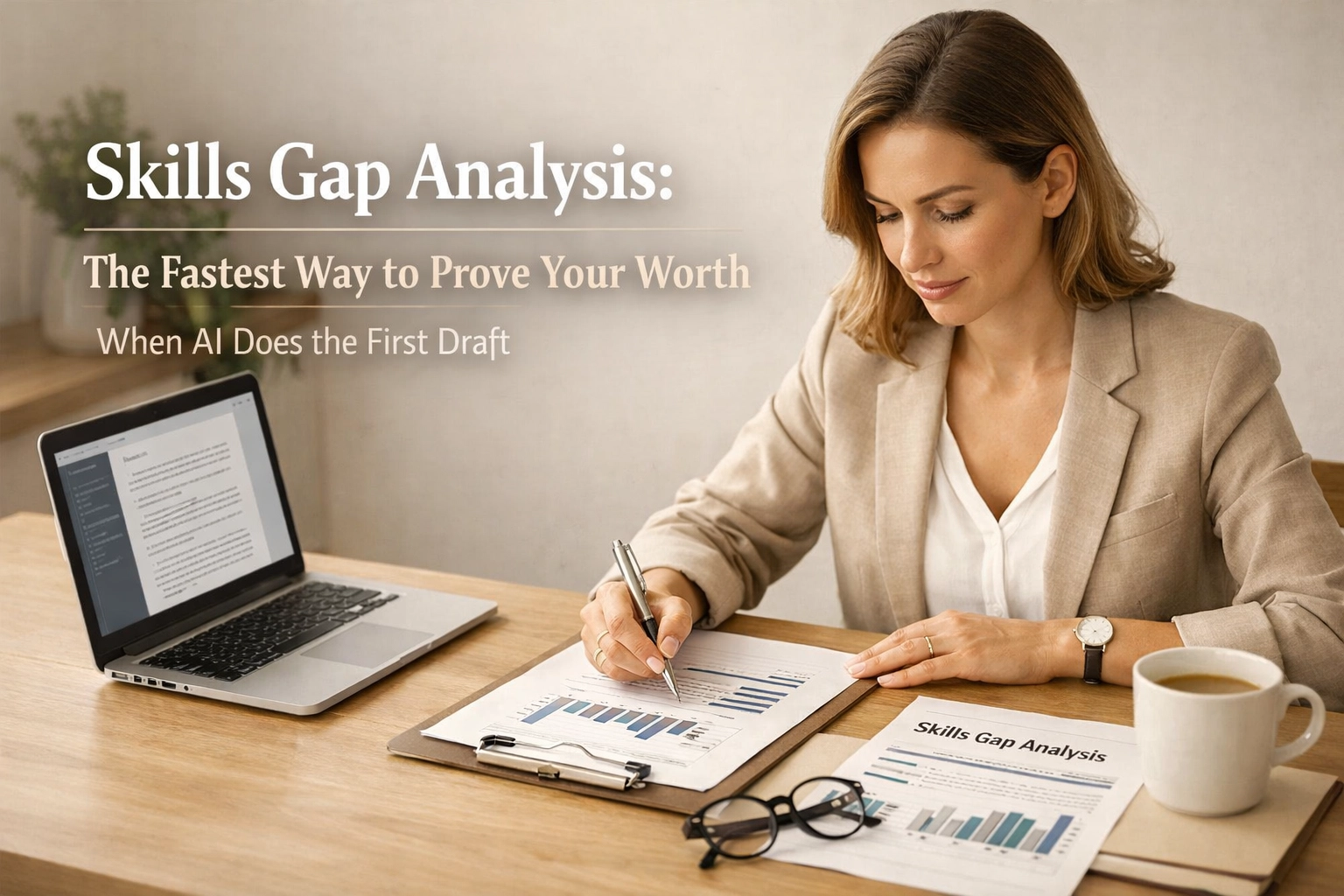
AI just commoditized your output.
The report you'd spend three hours writing? ChatGPT drafts it in 90 seconds. The data analysis that used to prove you were indispensable? Now it's a prompt. The presentation deck that showcased your strategic thinking? AI templates got there first.
So set a new standard for your value: if your value is tied to producing the first draft, you're already replaceable.
Smart professionals see an opportunity where others see a threat. While everyone's focused on what AI can do, the people getting promoted are focused on what AI can't do. That starts with a skills gap analysis that positions you as the strategist, not the drafter.
The Old Playbook Is Dead
For years, the career playbook was simple: work hard, produce more, stay visible, wait for recognition.
Produce the best slide deck. Write the most thorough email. Be the person who delivers polished work fastest. Your output was your value.
That playbook just expired.
When AI handles the first draft of almost everything: emails, reports, code, presentations, briefs: your ability to create faster isn't a competitive advantage anymore. It's table stakes. Everyone has access to the same AI tools. Everyone can produce a decent first draft.
The gap isn't in execution anymore. It's in strategic judgment.
The people who get promoted aren't the ones who finish tasks fastest. They're the ones who know which gaps to fill before anyone else sees them coming.

What Is a Skills Gap Analysis (And Why It Matters Now More Than Ever)
A skills gap analysis is the process of identifying the difference between the skills you currently have and the skills required to operate at the next level: whether that's a promotion, a pivot, or building your own business.
Most people think of it as a checklist: "Do I have Python? Project management? Executive presence?"
That's surface-level. It won't help you when AI is handling half the technical execution.
The real skills gap analysis asks three questions:
- What problems do leaders at the next level solve that I'm not solving yet?
- What decisions do they own that I'm still waiting for permission to make?
- What emotional and strategic capabilities do they demonstrate that I haven't developed?
This is where most professional development plans fall apart. They focus on skills you can list on a resume. Promotions don't go to people with the longest skill list. They go to people who close the gaps that leadership didn't even know existed yet.
The Three Gaps You Actually Need to Close
Strategists and taskers operate on different levels when AI enters the room.
1. The Strategic Gap: From Execution to Direction
AI can execute. It can draft, format, analyze, summarize, and optimize.
What it can't do? Define the problem worth solving in the first place.
Leaders aren't looking for people who can produce work faster. They're looking for people who can see the business gap, name it clearly, and map out what success looks like before the work even starts.
Your skills gap analysis should answer:
- Can you identify the business problem behind the task?
- Can you articulate why this work matters to revenue, risk, or customer impact?
- Can you make a recommendation without waiting to be told what to think?
If you're still waiting for instructions on what to do, you're operating at the execution level. If you're defining what's worth doing, you're thinking strategically.
2. The Workload Gap: From Busy to Focused
Most people are drowning in tasks that AI could handle: or that don't need to be done at all.
The fundamental shift is this: strategic professionals don't try to do everything. They design their workload around high-value decisions.
Run a workload gap analysis:
- What are you doing that AI, automation, or delegation could handle?
- What's on your calendar that doesn't move a business goal forward?
- What would you do with 10 extra hours a week if all the "first draft" work disappeared?
The people who get promoted aren't the ones doing the most. They're the ones doing the work that only they can do: and letting everything else go.

3. The Emotional Gap: From Reactive to Resilient
Few people discuss the emotional endurance required as you climb higher. The higher you go, the more emotional range you need.
You'll get second-guessed. Projects will get killed. Stakeholders will disagree. AI won't fix that.
The skills gap that separates senior professionals from everyone else isn't technical. It's emotional.
Can you:
- Hold the line in a tense conversation without getting defensive?
- Deliver difficult feedback without over-explaining or softening it?
- Recover from a setback without spiraling or shutting down?
- Navigate ambiguity without needing constant reassurance?
Most professional development plans ignore this. Executives and executive coaches will tell you: emotional resilience is the unlock.
If you can stay steady while everyone else is reactive, you become the person leadership trusts with the hardest problems.
How to Run Your Own Skills Gap Analysis (The Strategic Way)
Stop waiting for your manager to tell you what skills you need. Mapping your own gaps requires a more proactive approach:
Step 1: Identify the Role You Want (Not the Title)
Don't aim for "Senior Manager." Aim for the person who owns the hardest business problem in your department.
Who do leaders turn to when something's broken? Who drives decisions without needing approval? That's your target.
Step 2: Reverse-Engineer Their Workload
What do they actually spend their time doing?
- Leading cross-functional projects?
- Presenting to executives?
- Making calls on budget, scope, or risk?
Compare that to your current calendar. The delta is your skills gap.
Step 3: Close One Gap Per Quarter
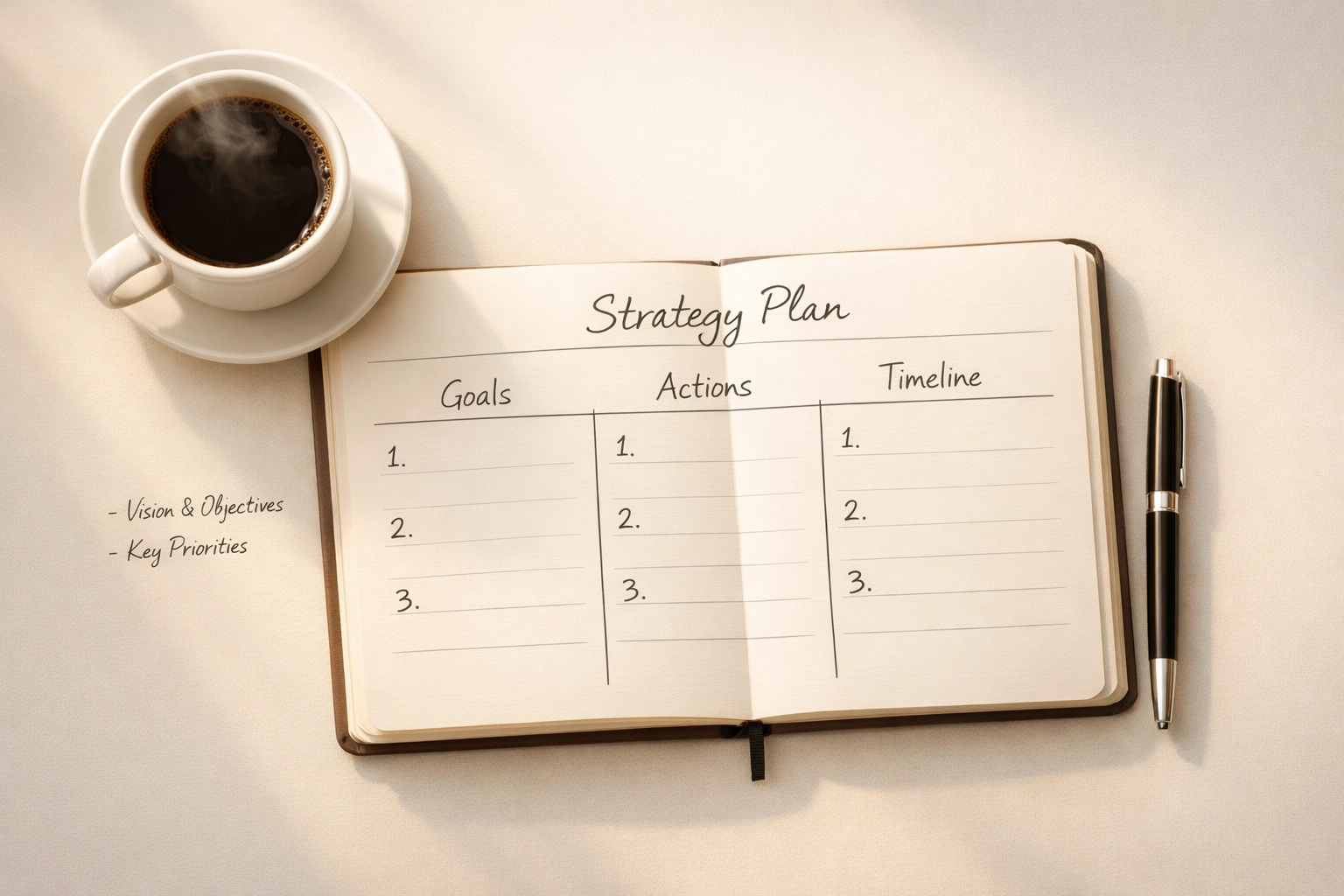
Pick one strategic skill, one workload shift, and one emotional skill to develop over the next 90 days.
Example:
- Strategic: Lead one initiative that requires stakeholder alignment across teams.
- Workload: Delegate or automate three recurring tasks to free up strategic time.
- Emotional: Have one difficult conversation you've been avoiding. Practice staying calm and direct.
This is how you build a professional development plan that actually leads to promotion: not just more tasks.
Why The Gap Strategy Framework Changes Everything
Most people approach career growth like a skill-collecting game. Learn more, do more, hope someone notices.
The Gap Strategy flips that.
Instead of chasing every skill, you focus on the gaps that matter most: the ones leadership is already stressed about, even if they haven't named them yet.
When you close strategic, workload, and emotional gaps together, you don't just get better at your job. You become the person leadership can't afford to lose.
The AI Coach at www.gapstrategist.com is trained on this exact framework. It helps you identify your highest-leverage gaps, design a 90-day sprint, and position your growth in a way that leadership actually notices.
The reality is simple: AI drafts the work, but it won't close the gaps. That's still on you.
What This Looks Like in Practice
Let's say you're in marketing, and AI now writes most of your first-draft content.
Old approach: Panic. Try to prove your worth by producing more content faster.
Strategic approach: Run a skills gap analysis.
You realize the real gap isn't content production. It's strategic positioning: knowing which messages move the business forward and which are just noise.
So you shift:
- You stop writing every blog post and start defining content strategy.
- You present a quarterly plan tied to pipeline goals, not just engagement metrics.
- You have a conversation with leadership about messaging priorities: and make a recommendation before they ask.
That's the difference. You're not competing with AI. You're operating at a level AI can't reach.
Your Next Move
If you're still trying to prove your worth by doing more tasks, you're playing a game you can't win.
Run your skills gap analysis now. Identify where you're operating as a tasker and where you need to shift into strategy.
Then close one gap this quarter. Just one.
Want help mapping it out? Head to www.gapstrategist.com to access the AI Coach trained on The Gap Strategy framework. You'll get personalized guidance on which gaps to close first and how to position your growth so leadership notices.
You can also grab free resources at www.thegapstrategy.com: including worksheets, templates, and tools to build your professional development plan around strategic gaps, not random skills.
AI can draft the work. It can't think strategically. It can't own hard problems. It can't navigate ambiguity with emotional resilience.
That's your edge. Use it.
Ready to Close Your Gaps?
Get personalized guidance on which gaps to close first and how to position your growth so leadership notices.